National Petroleum Reserve
- Alaska

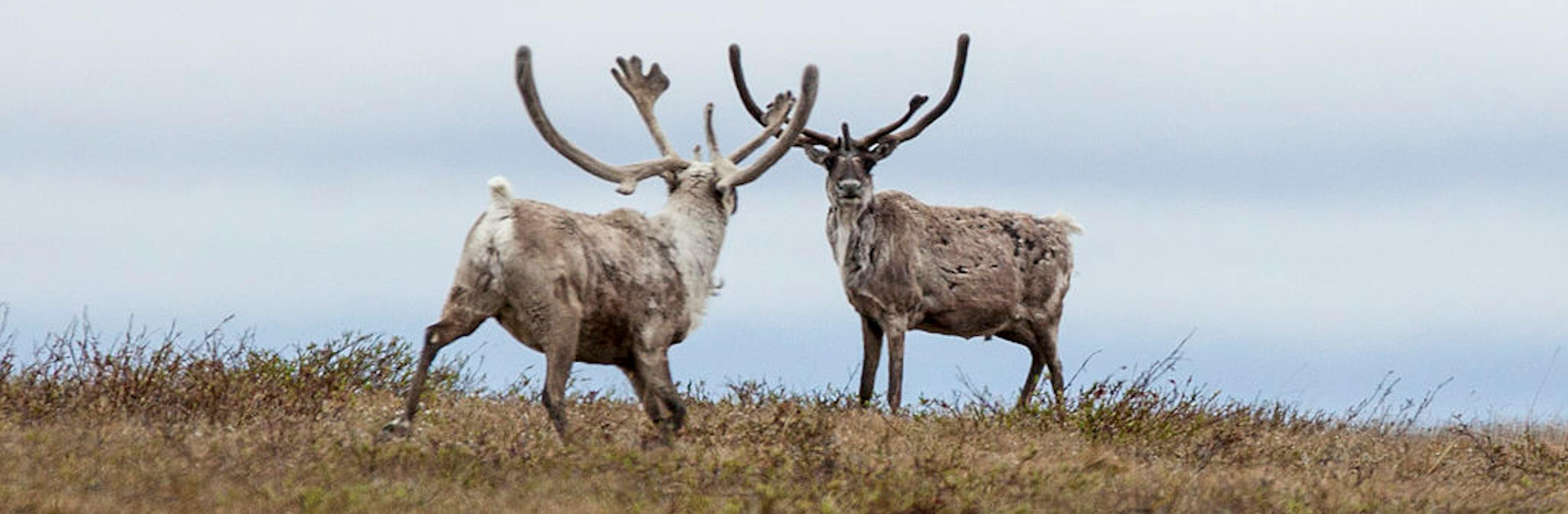
photo: Bob Wick, Bureau of Land Management
The National Petroleum Reserve - Alaska (NPRA) is a large oil and gas reserve covering an area of approximately 23 million acres, the largest tract of undisturbed public land in the United States. Managed by the Bureau of Land Management, it was established in 1923 as a strategic oil reserve for the US military, but has since been opened up for exploration and development by private companies. The reserve lies within the traditional lands of several Alaska Native communities, including the Iñupiat and the Gwich'in. These communities have relied on the region's natural resources, such as caribou herds and fish, for their subsistence and cultural practices for generations. The NPRA is also ecologically very important for arctic wildlife and has more birds than in the Arctic Wildlife Refuge. The reserve is estimated to hold up to 10.6 billion barrels of oil and significant natural gas reserves, making it a valuable resource for the US economy. However, the development of the NPRA has been a controversial issue due to concerns over its potential impact on the environment and wildlife in the region. As a result, exploration and production activities in the reserve are subject to strict regulations and environmental protections, and the BLM is required to consult with indigenous communities and consider their interests in the development of the reserve.