Saint Croix Island
- Maine

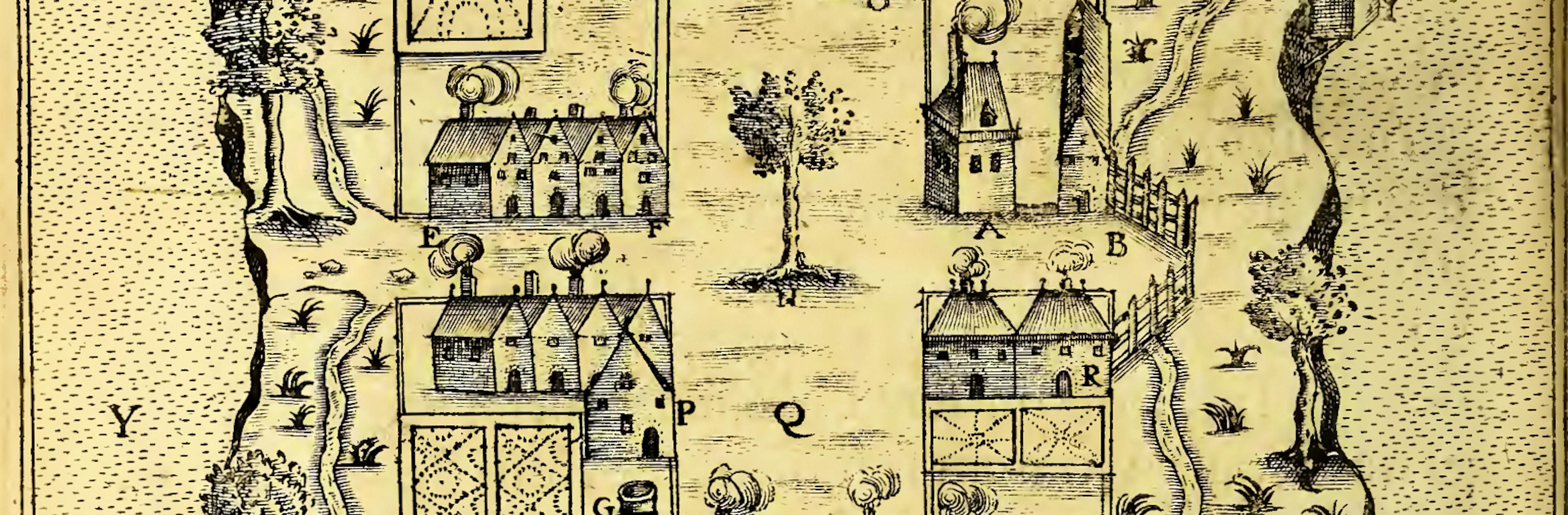
photo: Samuel de Champlain
Saint Croix Island holds a significant place in American history as the site of the first European settlement in North America. In 1604, a French expedition led by Pierre Dugua arrived at the island with the intention of colonizing the territory they called l'Acadie. The colony was short-lived, however, as harsh conditions and conflict with the local Wabanaki tribe soon forced the settlers to abandon the island. In the spring of 1605, the Passamaquoddy tribe returned to the shores of Saint Croix Island after a long winter away. They were met by the French explorer Samuel Champlain and his expedition, who had spent the winter on the island. The two groups quickly became friends, trading goods and information. The Passamaquoddy showed the French how to build canoes and hunt for game, while the French shared their bread with the tribe. However, despite this new friendship, tragedy struck when 35 members of Champlain's expedition died of scurvy. They were buried in a small cemetery on the island, which has since become a memorial to their sacrifice. Today, Saint Croix Island is a National Historic Site, reminder of the early contact between the French and Native Americans.